Essential Kitchen Safety Upgrades: Ventilation, Electrical, and Plumbing Tips
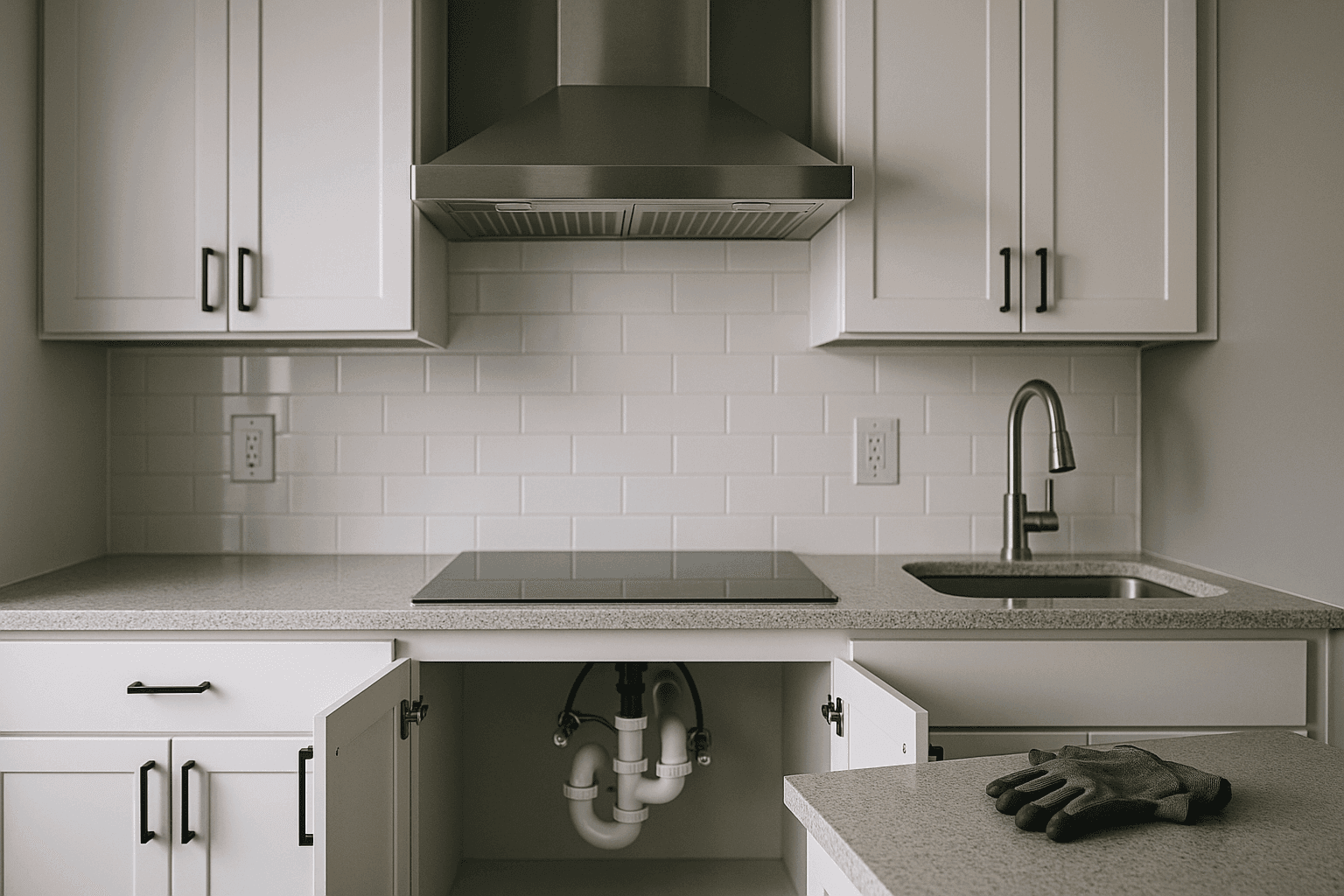
Is your kitchen ready for the next big holiday meal? Or even just a busy weekday dinner rush? Safety isn’t just about sharp knives and hot pans—it’s built into the very bones of your kitchen. At Kitchens By Connie, we’ve seen how smart upgrades in ventilation, electrical, and plumbing turn kitchens into safe, efficient spaces for both families and businesses.
Whether you’re planning a full kitchen_remodeling or just a few updates, ignoring safety can be like building a house on sand. Let’s help you lay a rock-solid foundation—one that keeps you, your guests, and your property protected for seasons to come.
Why Proper Ventilation Matters 🌀
Imagine cooking a winter stew or grilling burgers for a crowd. Without the right ventilation, steam and grease hang in the air, making your kitchen feel more like a sauna than a sanctuary. But it’s not just comfort at stake—ventilation is your kitchen’s first line of defense against invisible threats.
Dangers of Poor Ventilation
- Indoor Air Quality: Cooking releases moisture, smoke, and volatile organic compounds (VOCs), which can linger and irritate lungs over time.
- Fire Hazard: Grease build-up in low-quality or clogged range hoods can ignite.
- Seasonal Struggles: In summer, poor ventilation can spike indoor temperatures. In winter, it traps humidity, leading to mold.
Smart Ventilation Upgrades
- Install or Upgrade Range Hoods: Look for models with adequate cubic feet per minute (CFM) ratings for your stove size. The International Residential Code (IRC) recommends at least 100 CFM for most residential applications.
- Ducted Systems: Whenever possible, vent to the outdoors rather than recirculating air. This is especially important for commercial kitchens, where codes are stricter.
- Routine Cleaning: Make it a habit to clean or replace filters every season—or more often if you cook frequently.
Pro Tip: During holidays or extreme weather, double-check your ventilation before heavy use. Even a quick filter clean can make a world of difference.
Electrical Safety Best Practices ⚡
Electricity is the kitchen’s silent workhorse—powering everything from the fridge to your fancy espresso machine. But one frayed wire or overloaded outlet can spell disaster.
Everyday Electrical Hazards
- Overloaded Circuits: Plugging too many appliances into a single outlet risks overheating and fire.
- Outdated Wiring: Old or damaged wiring is a leading cause of residential fires, according to the National Fire Protection Association (NFPA).
- Wet Zones: Sinks and countertops near outlets can create risky conditions if not properly protected.
Upgrades for Peace of Mind
- GFCI Outlets: Ground Fault Circuit Interrupters are required by the National Electrical Code (NEC) in all kitchen outlets near water.
- Dedicated Circuits: Major appliances like ovens, microwaves, and dishwashers need their own circuits to avoid overload.
- Smart Lighting: Upgrading to LED fixtures reduces heat and energy use, and motion sensors improve safety.
Holiday Hint: With extra gadgets plugged in during celebrations, always check that outlets and cords are in good condition before the party starts.
Plumbing Upgrades to Prevent Leaks 🚰
A slow drip under the sink might seem harmless, but water has a sneaky way of causing thousands in damage before you even spot the problem. Think of plumbing as your kitchen’s hidden lifeline.
Risks of Neglected Plumbing
- Leaks and Floods: Even a pinhole leak can lead to mold, warped flooring, or ruined cabinets.
- Outdated Pipes: Galvanized steel pipes corrode over time, risking both leaks and water quality issues.
- Improper Installs: DIY connections often lack proper sealing, especially with modern fixtures like Quartz Countertops near you or custom sinks.
Plumbing Upgrades That Matter
- High-Quality Fixtures: Install faucets and sinks designed to resist corrosion and wear.
- Shut-off Valves: Add easily accessible shut-offs under every sink and appliance.
- Flexible Hoses: Use stainless steel braided hoses for dishwashers and ice makers to reduce burst risk.
Winter Watch-Out: Freezing temperatures can burst pipes in uninsulated walls. If you live in a cold climate, ask about insulation and pipe wrapping during your next kitchen_remodeling.
Code Compliance for Modern Kitchens
You wouldn’t drive a car without seatbelts. So why risk a kitchen that’s not up to code? Meeting building codes isn’t just about passing inspections—it keeps your home or business legal, insurable, and safe.
What Codes Cover
- Ventilation: Both the International Residential Code (IRC) and International Mechanical Code (IMC) set minimum standards for range hood airflow.
- Electrical: The National Electrical Code (NEC) requires GFCI outlets, tamper-resistant receptacles, and proper circuit sizing.
- Plumbing: The Uniform Plumbing Code (UPC) ensures safe installation of pipes, drains, and fixtures.
Commercial vs. Residential
- Commercial Kitchens: Face stricter requirements for fire suppression, ventilation CFM, and grease traps.
- Residential Kitchens: Must comply with local adaptations of national codes—requirements can shift with every update.
Pro Tip: Permits aren’t just paperwork. They’re your proof that work is safe, legal, and up to date.
Essential Kitchen Safety Checklist
Before you start any kitchen_remodeling project, use this quick checklist to spark a conversation with your contractor:
- Is my range hood vented outside and strong enough for my cooktop?
- Are all outlets near the sink GFCI-protected?
- Do major appliances have their own circuits?
- Is my plumbing free of leaks and made from modern, safe materials?
- Are shut-off valves easy to reach?
- Is all work permitted and up to local and national code?
- Are pipes insulated if needed for seasonal extremes?
- Are smoke and CO detectors nearby and working?
- Are all upgrades installed by licensed professionals?
DIY vs. Call a Pro
Some tasks are as simple as swapping out a lightbulb. Others, like rewiring circuits or rerouting gas lines, are like defusing a bomb—one wrong move can be costly or dangerous.
Safe to DIY
- Replacing outlet covers
- Changing faucet aerators
- Cleaning range hood filters
Best Left to Pros
- Electrical rewiring or new circuit installation
- Plumbing for new sinks or dishwashers
- Cutting and installing Quartz Countertops near you or complex backsplashes
Remember: Professional contractors are trained to spot hidden hazards and ensure every upgrade meets code.
What Pros Do on Arrival
When Kitchens By Connie arrives at your home or business, safety comes first:
- Assess airflow and ventilation routes
- Test electrical panels and outlets for proper function and overload risks
- Inspect plumbing for leaks, pressure, and outdated materials
- Review your remodel plans for potential code issues
- Guide you on materials, from durable countertops to responsive fixtures
By the time your project is underway, every safety detail is checked—so you can cook, entertain, or serve customers with confidence.
Prevention & Maintenance
Safety isn’t a one-time fix. Like changing the oil in your car, these regular habits keep your kitchen running smoothly:
- Clean range hood filters every three months
- Test GFCI outlets monthly (press the “test” button; reset if needed)
- Inspect under sinks for moisture and leaks
- Schedule annual professional inspections for commercial kitchens
A little vigilance now saves a lot of heartache later.
Costs & Time Factors
Kitchen safety upgrades vary in price and time commitment. Here’s what to expect (without getting lost in numbers):
- Ventilation: New range hoods can be installed in a day, but ducting to the outside may take longer, especially in older buildings.
- Electrical: Adding GFCI outlets or dedicated circuits is usually a half-day job. Full rewiring takes longer, especially if walls need opening.
- Plumbing: Faucet or sink swaps are quick; pipe replacements or rerouting require more time, especially with custom Quartz Countertops near you or large islands.
Investing in safety isn’t just about money—it’s about peace of mind.
When It’s an Emergency
Some issues can’t wait:
- You smell gas or burning wires—leave and call for help.
- Water is leaking rapidly—shut off the main valve and call a pro.
- Outlets are hot, sparking, or not working—stop using them and schedule an inspection.
Never risk your health or property. Quick action can prevent disaster.
FAQ
How do I know if my kitchen ventilation is enough?
If cooking lingers in the air, or you see grease on cabinets, it’s time to upgrade. The IRC recommends at least 100 CFM for residential hoods, but heavy use or commercial spaces need more.
What’s the difference between GFCI and standard outlets?
GFCI outlets shut off power instantly if they detect a shock hazard, protecting you in wet areas. They’re required by code near all kitchen sinks and counters.
Can old pipes be dangerous even if they don’t leak?
Yes. Old pipes (like galvanized steel) can corrode from the inside, affecting water quality and risking sudden bursts. Modern materials like PEX or copper are safer and longer-lasting.
Do I need permits for kitchen safety upgrades?
Most electrical, plumbing, and ventilation upgrades require permits to ensure code compliance. Always check with your contractor and local building department.
Local & Seasonal Considerations
Kitchens aren’t just built for today—they must weather every season. In humid summers, ventilation prevents mold and heat buildup. In winter, insulated pipes and proper airflow reduce condensation and freezing risks.
During holidays and busy times, safety matters even more. More people in the kitchen means more chances for accidents. Take a moment before holiday cooking marathons to check your safety features—just like you’d check your smoke detector before lighting a fireplace.
Ready to make your kitchen safer and smarter? Call Kitchens By Connie now — or reach us anytime at 877-753-8750 .